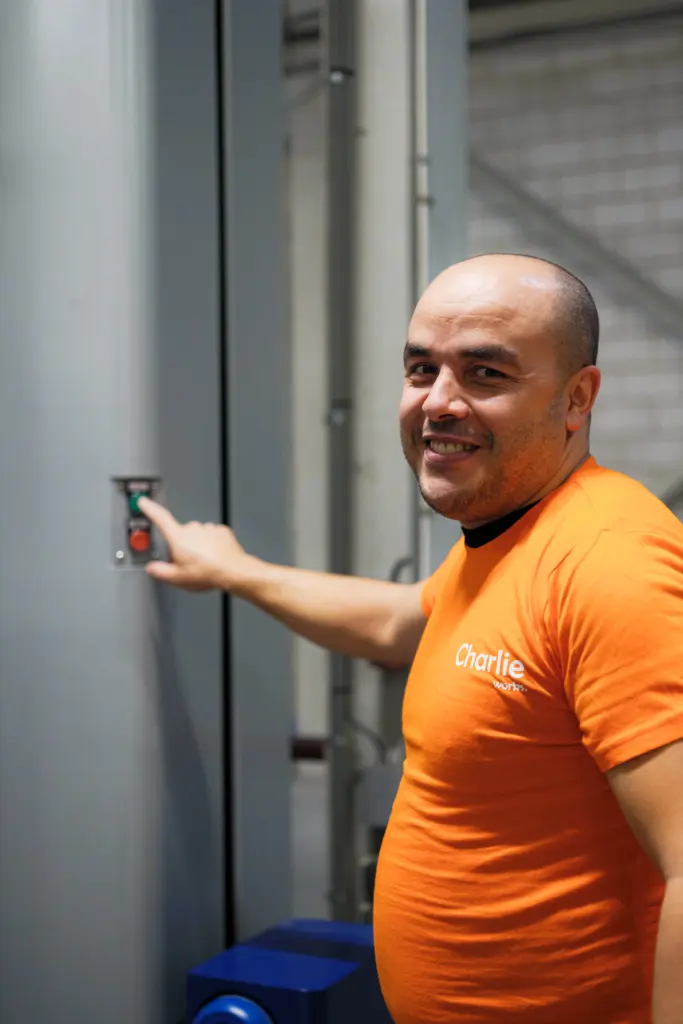
In production, you often encounter terms such as operator A, B, or C. For many people wishing to work in the Netherlands, this can be confusing. What exactly do these levels mean? And what is the difference between the roles?
In this blog, we clearly explain what an operator does, the differences between operator A, B, and C, and which role best suits you.
What does an operator do?
An operator works in a production environment and is responsible for operating, monitoring, and sometimes setting up machines. These machines ensure that products are manufactured, packaged, or processed.
The tasks of an operator may include:
- Operating and monitoring machines
- Monitoring production processes
- Resolving minor malfunctions
- Checking product quality
- Working safely according to rules and procedures
The more complex the work, the higher the level of the operator position.
Why are there different levels?
Not every production environment is the same. Some machines are easy to operate, while other systems are technical and complex. Therefore, companies work with different operator levels.
These levels indicate how much responsibility you have, how technical the work is, and how much experience or knowledge is required.
The most common classification is: operator A, operator B, and operator C.
Operator A: entry level in production
Operator A is usually the starting position within production companies. This is an excellent role if you have little or no experience as an operator.
As an operator A, you often work with standard machines and clear processes. You primarily perform executive tasks, such as:
- Operating machines according to instructions
- Inspecting products
- Identifying minor deviations
- Keeping the workplace tidy
You usually work according to fixed procedures and receive clear guidance.
Operator A is a good way to gain experience and get to know the production process.
Operator B: more responsibility and technical knowledge
Operator B is a next step. In this position, you have more experience and take on more responsibility.
In addition to operating machines, you are also involved in:
- Setting up and converting machines
- Resolving minor malfunctions
- Monitoring production processes
- Improving efficiency
You work more independently and often require more technical knowledge than an operator A.
Many employees progress from operator A to operator B as they gain more experience.
Operator C: specialist and process manager
Operator C is the highest level within this classification. In this role, you are often responsible for a larger part of the production process.
Your tasks may consist of:
- Managing complex machines and processes
- Analyzing and resolving malfunctions
- Optimizing production processes
- Managing or mentoring colleagues
- Contributing ideas for improvements
Operator C requires more technical knowledge and experience. You often have insight into the entire process and play an important role within the team.
What determines your level as an operator?
Which level suits you depends on several factors:
- Your experience in production
- Your technical knowledge
- Your education or certificates
- How independently you can work
- Your willingness to learn
Many people start as an operator A and grow step by step. By gaining experience and learning new skills, you can progress to a higher level.
What does this mean for your salary?
Generally, the higher the level, the higher the salary.
Operator A usually earns a basic wage within production. Operator B and C often earn more because they have more responsibility and perform more complex work.
Do you work in shift work? Then allowances are often added, for example for evening or night shifts.
Career progression within production
An operator position offers many opportunities for growth. Employers often invest in employees who want to learn and develop themselves.
For example, you can grow by:
- Gaining practical experience
- Following training or courses
- Obtaining certificates
- Taking on more responsibility on the shop floor
By taking these steps, you can develop yourself from operator A to operator B or C.
How Does Charlie works Help?
At Charlie works, we look at your experience and ambitions. Whether you are just starting out or already have experience as an operator, we help you find a position that suits you.
We collaborate with production companies in the Netherlands and ensure clear agreements regarding work, salary, and growth opportunities.
Additionally, we guide you during your work and think along with you about your development.
Which operator position suits you?
The difference between operator A, B, and C lies mainly in experience, responsibility, and technical knowledge. Where you start depends on your background and skills.
The most important thing is that you are willing to learn and develop yourself. In production, there are plenty of opportunities for growth.
Do you want to work as an operator in the Netherlands and discover which level suits you? View the vacancies via Charlie works and take the next step in your career.