Logistics in the Netherlands is changing rapidly. Where muscle power and dexterity used to be the main factors, smart software and robots are now playing an increasingly important role. For job seekers from Eastern Europe, this means that warehouse and distribution center work will look different in a few years than it does today.
However, there is no need to be afraid of this. AI and logistics automation are taking over certain tasks, but at the same time, they are creating new positions and better working conditions. In this blog, you will read about which jobs are changing, which skills are becoming more important, and how to prepare yourself for what is to come.
Whether you have been working in the Netherlands for a while or are just planning to take this step: it pays to know what is happening within the sector.
What do AI and logistics automation mean in practice?
Automation in logistics is not new. Conveyor belts, sorting systems, and scanners have existed for decades. What is new, however, is the role of artificial intelligence. Systems are now learning for themselves how to organize inventory more smartly, which route a package can best follow, and when a machine needs maintenance.
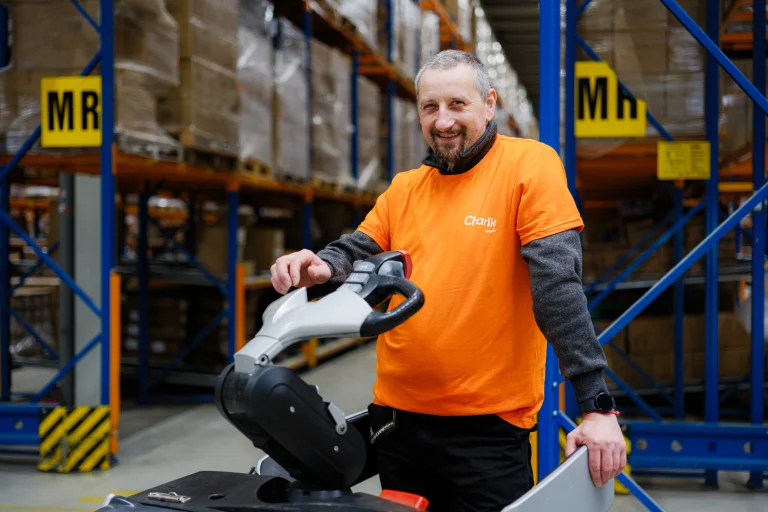
In large distribution centers, for example, you see robots collecting orders, drones counting stock, and software that predicts exactly how many staff members are needed on a given day. As a result, daily work is changing for employees on the floor. There is less heavy lifting and more collaboration with technology.
Which jobs in logistics are changing?
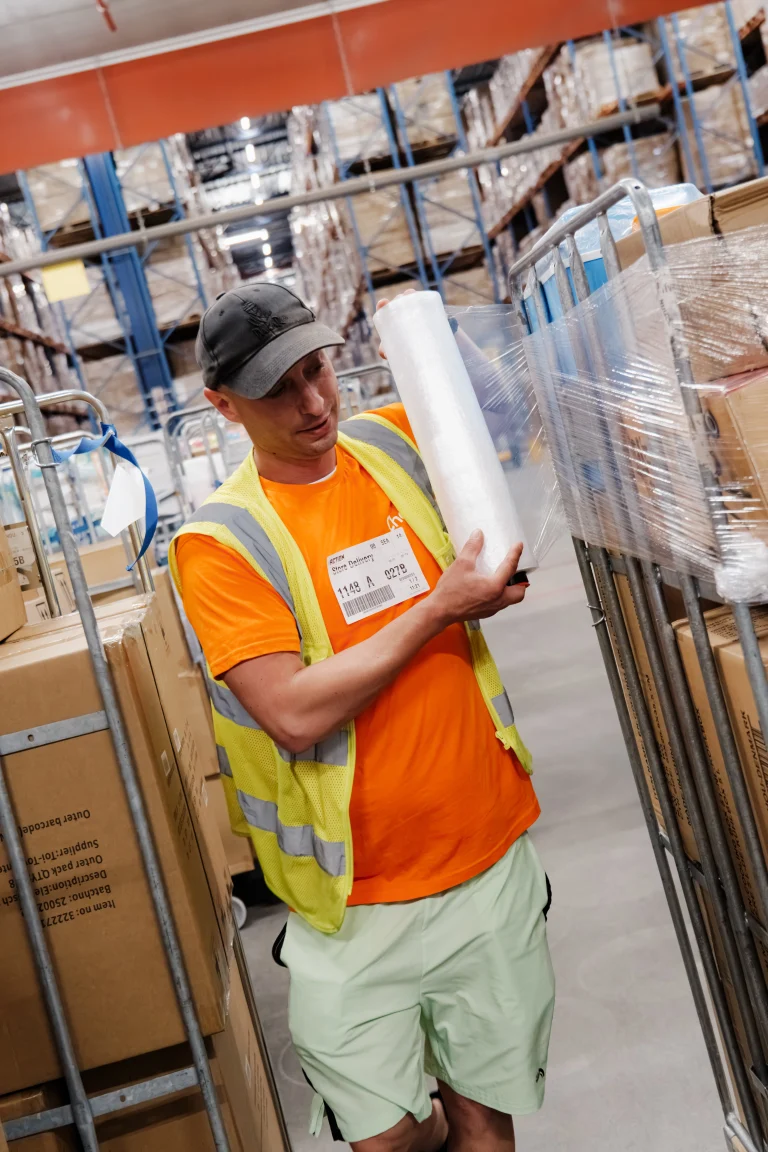
Not every position is disappearing, but many jobs are being redefined. Repetitive work in particular is coming under pressure. Think of manually sorting packages or repeatedly scanning the same products. Those types of tasks are well-suited for machines.
On the other hand, positions are emerging that did not exist ten years ago. For example, an order picker increasingly works with a robot that moves heavy pallets. Forklift drivers are dealing with semi-automatic vehicles. And quality control employees use cameras with image recognition to detect errors faster.
A brief look at what is shifting:
- Traditional order pickers are increasingly becoming supervisors of picking robots.
- Inventory managers work more with dashboards than with clipboards.
- Maintenance technicians are getting new tasks related to sensors and fault analysis.
- Planners leave routine planning to software and focus on exceptions.
</n
Which skills are becoming more important?
The most important change is not in technology, but in mindset. Employers are looking for people who can handle change and who are open to new systems. You do not need to become a programmer, but basic knowledge of digital tools is becoming indispensable.
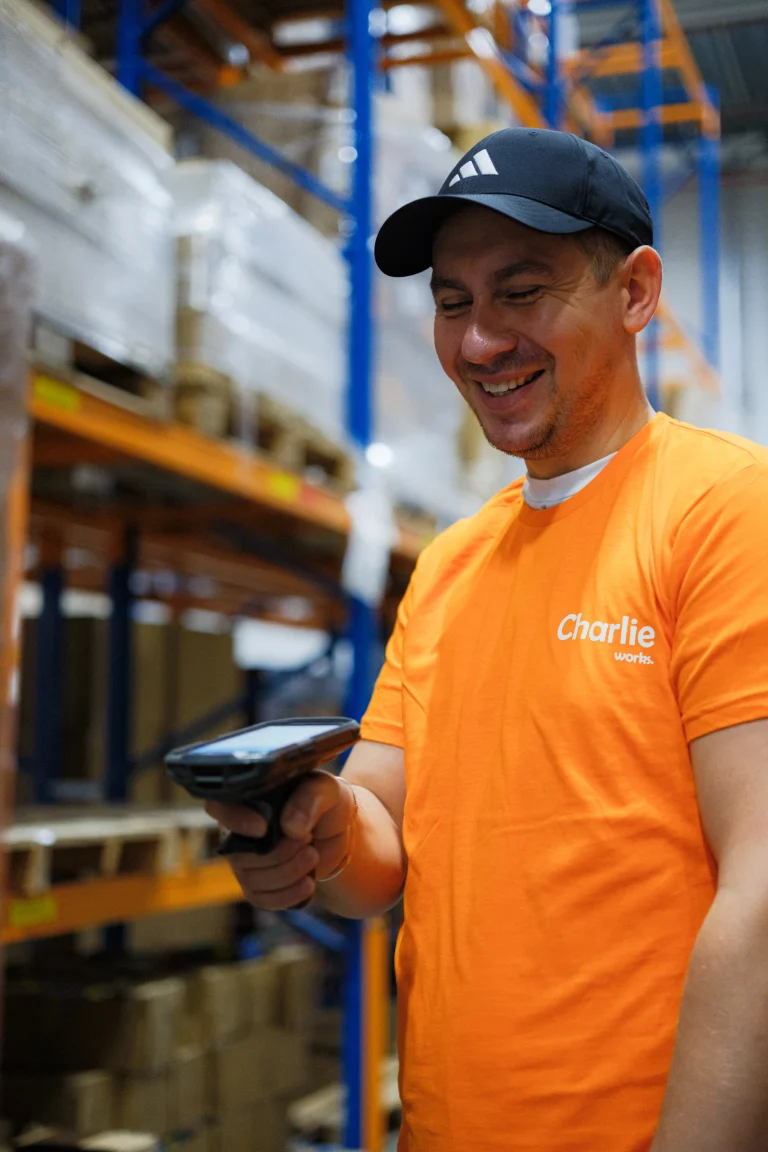
Think of reading a screen with work instructions, operating a tablet on the work floor, or understanding a simple error message. Those who handle this smoothly have an advantage.
Practical skills that count
In addition to digital skills, human qualities remain important. Accuracy, collaboration, and problem-solving abilities are things that a robot cannot easily take over. Those who are flexible and learn quickly fit well into a modern logistics environment.
Basic knowledge of English or Dutch also helps tremendously. Much software and many instructions are no longer available in your native language, and communication with colleagues and supervisors often takes place in a common working language.
The future of logistics: opportunities for migrant workers
The demand for personnel in Dutch logistics remains high. Automation is taking over certain tasks, but there are simply too few people to do all the work. For migrant workers from Poland, Hungary, Slovakia, Romania, and other countries, this means there are plenty of opportunities.
However, the type of work is shifting. Employers value employees who are willing to learn and who feel comfortable with new technology. Those who obtain a forklift certificate, gain experience with warehouse software, or learn to work with scanners will be stronger in the labor market.
Want to read more about how the sector is developing? Then check out our articles The future of logistics: automation, AI, and new skills and How technology is changing everything in logistics. In those, we go deeper into the long term.
How do you prepare yourself?
It might sound like a big deal, but the first steps are small. Start by being open to the systems you encounter at work. Ask for an explanation if something is new, and try to take on tasks where you work with technology. This way, you build experience without having to follow an expensive course.
Additionally, it helps to work for an organization that guides you. A good employer or employment agency provides not only work but also the right training, safe working conditions, and a pleasant place to live.
Conclusion: ready for the new logistics
AI and logistics automation are changing the sector, but they do not make work redundant. Instead, they ensure that you can work smarter and safer. Those who are willing to adapt, use digital tools, and continue to develop themselves will have good opportunities in Dutch logistics for years to come.
Are you looking for work in logistics, production, or transport in the Netherlands? At Charlie works, we help you find a suitable job as well as good housing. We work extensively with people from Eastern Europe and guide you from day one. Feel free to contact us to discuss the possibilities.