Why production work in the Netherlands is a good choice
Production work in the Netherlands is a stable way to get started quickly. Factories and production sites operate year-round, so there is a continuous need for people on the work floor. For international workers from countries such as Poland, Hungary, Slovakia, and Romania, this is a clear route to a steady income, organized housing, and opportunities for growth.
You often do not need years of experience. Many companies will teach you the tasks on the job. More important are commitment, punctuality, and collaborating with your colleagues.
What kind of work do you do in production?
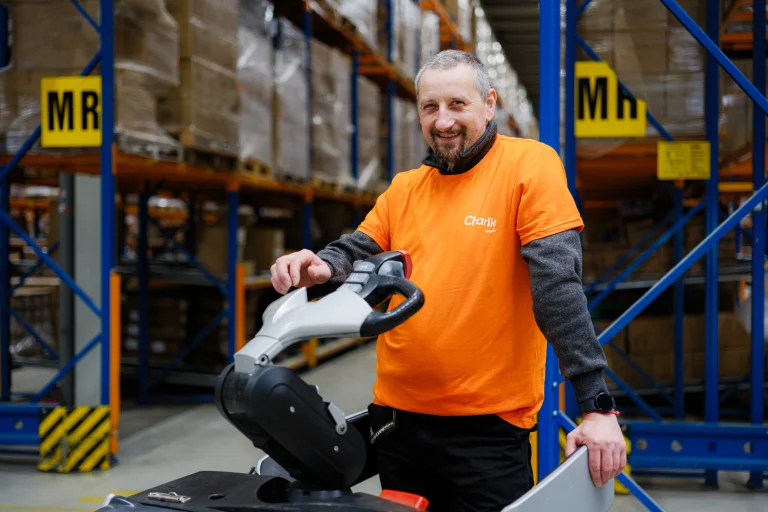
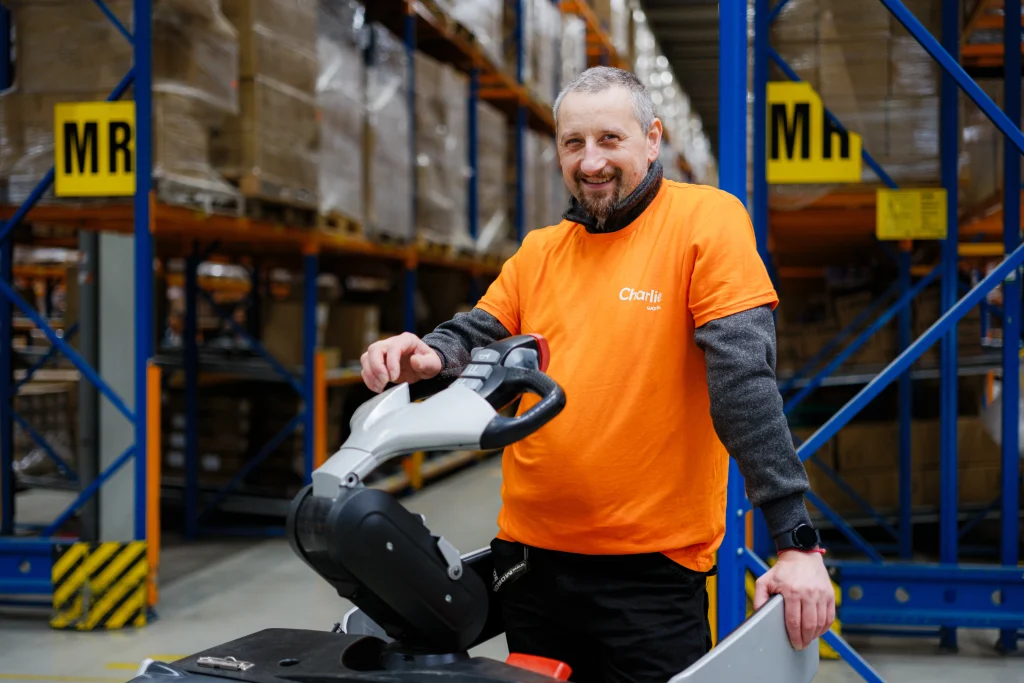
Tasks vary by sector and company. You might think of work in the food industry, packaging companies, metalworking, or the manufacturing industry. Common tasks include:
- Assembling products on a conveyor belt
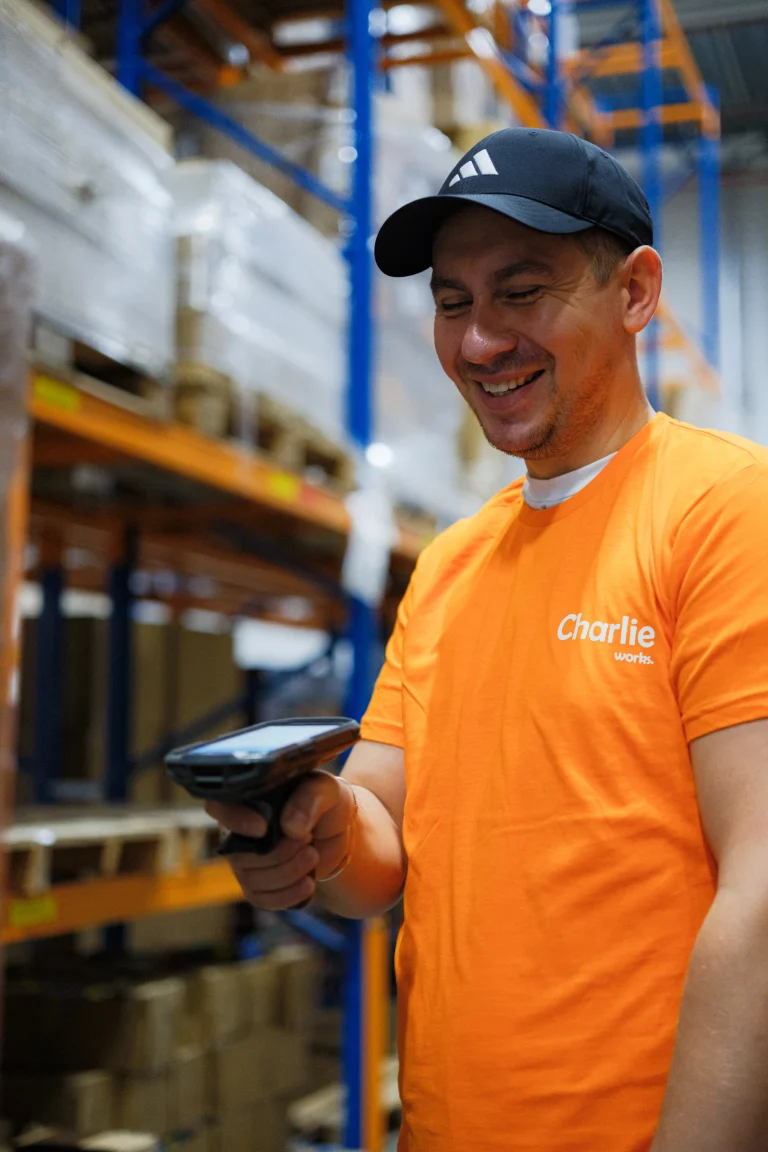
- Operating and monitoring machines
- Checking products for quality
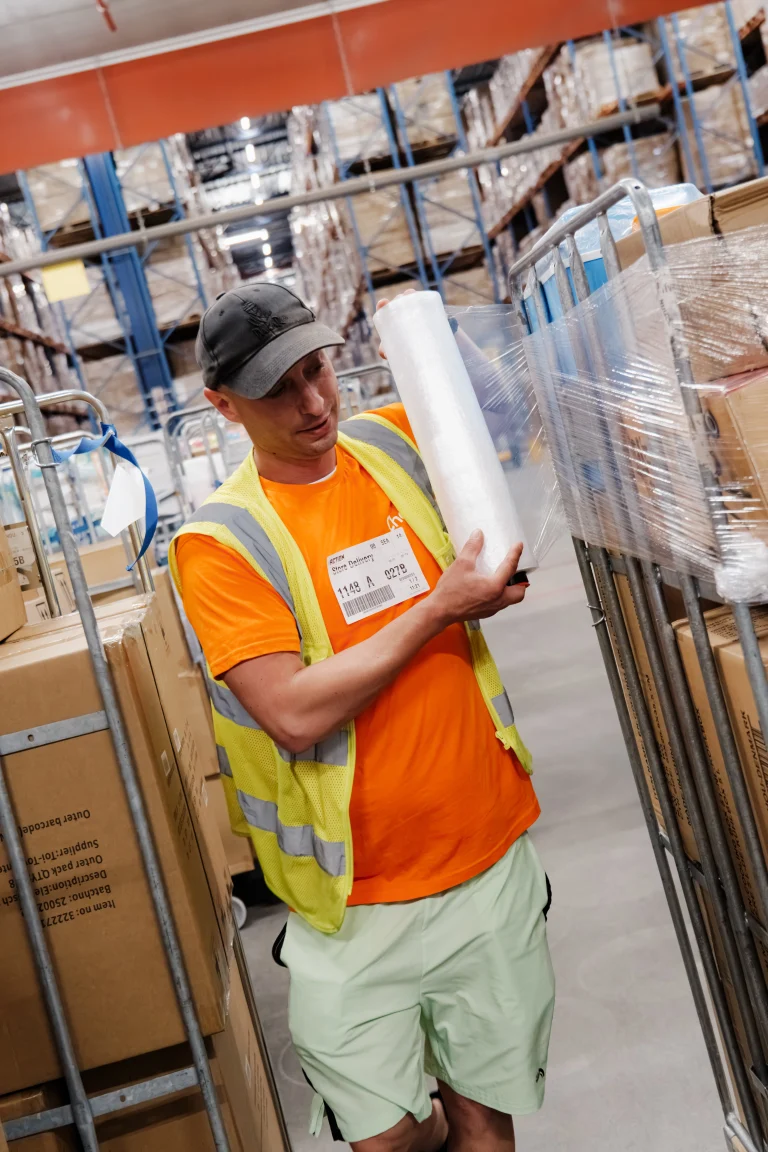
- Packaging and preparing for transport
- Keeping the workplace clean and safe
Some roles are light and primarily repetitive. Others require more technical skill, for example, if you need to set up a machine. If you work in the food sector, strict rules for hygiene and clothing apply.
Working hours and shift work
Production companies often operate in shifts. This means you work in rotating shifts: morning, afternoon, or night. Sometimes you work in a two- or three-shift system. For irregular hours, you usually receive an allowance on top of your hourly wage.
Shift work does demand something of your rhythm. You sleep at different times and your social life looks different. On the other hand, you can work more hours in fewer days, and you progress financially due to the allowances.
What do you earn with production work?
Your salary depends on the sector, the collective labor agreement (CAO), and your experience. The basis is the Dutch minimum wage, and in many production sectors, the hourly wage is above that. On top of your hourly wage, you can receive allowances for evening, night, and weekend hours. Overtime is also often paid extra.
If you want to know exactly how your gross and net salary are calculated, take a look at how taxes and health insurance work in the Netherlands. This will prevent surprises on your first payslip.
Housing and transport arranged
For international workers coming to the Netherlands, housing is one of the most important points. A well-arranged home close to your work ensures peace of mind and a fresh start to your shift. Charlie works offers its own SNF-certified housing, which means the accommodation meets the quality standards for international workers.
Transport is also important. Not every production location is close to a train station. Often, transport from your home to the workplace is arranged so that you start your shift on time.
Through an agency or directly?
Many people start in production through an employment agency. This has several advantages: you get a placement faster, your housing and transport are arranged, and you can try out different companies. After a period through the agency, you can sometimes be hired directly by the production company.
If you want to know exactly how it works, read how an employment agency in the Netherlands works step by step. This way, you know what to expect from your registration to your first working day.
Growing in production
Production work is not just about packing and operating machines. If you show that you handle the work well, there are opportunities to grow. Think of roles like foreman, team leader, machine setter, or quality controller. Often, you will also receive training or a short course from your employer.
If you speak reasonable Dutch or English, it increases your chances. In many teams, people from different countries work together, so a common language helps with collaboration.
How to take the next step
Are you looking for work in production in the Netherlands with housing included? View the current vacancies at Charlie works and sign up. You will hear quickly which role suits you and when you can start.