
What exactly is a flexible worker?
What is a flexible worker? Simply put, it is someone who works on the basis of a flexible contract and therefore does not immediately have permanent employment with an employer. Think of agency workers, on-call workers, temporary staff, and people with zero-hour contracts. In the Netherlands, this form of working is very common, especially in logistics, production, and transport.
A flexible worker is often hired through a recruitment agency. That agency is then the official employer and takes care of the contract, payment, and sometimes also housing. The company where you actually go to work is called the hiring company or employer.
Flex employee: meaning and differences from permanent work
In practice, the term flex employee means the same as flexible worker or flex worker. The difference from a permanent employee lies mainly in the contract and security. A permanent staff member usually has an indefinite contract. A flexible worker works on a temporary basis, sometimes for a few weeks, sometimes for a few years.
Important characteristics of flexible working:
- You work through a recruitment agency or temporary contract
- You can start quickly with a new employer
- You build up rights the longer you work
- You often have varying working hours or projects
Do you want to know exactly what is in such a contract? Then read more about working in the Netherlands and what you need to arrange regarding taxes and health insurance.
What is flexible working and why do people choose it?
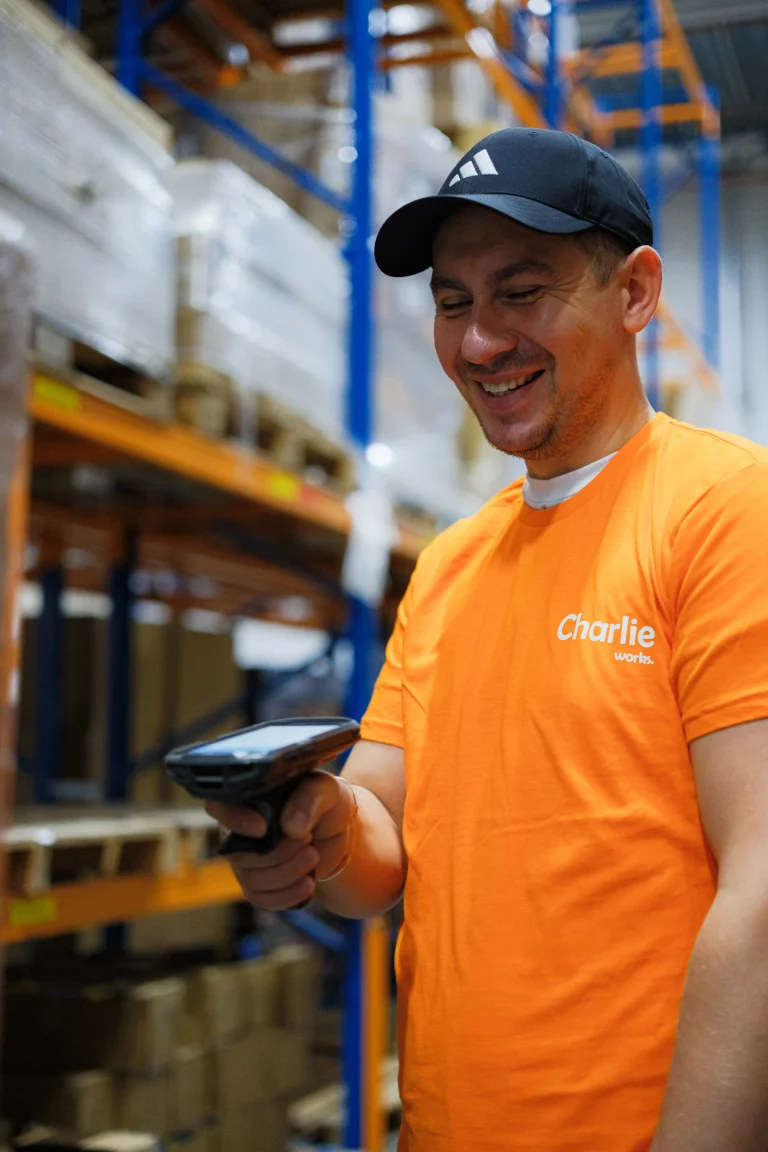
What is flexible working in daily practice? It is a way of working where you are flexibly deployable. For many migrant workers from Poland, Hungary, Slovakia, and Romania, this is the fastest way to get started in the Netherlands. You do not have to wait months for a permanent contract, but can often start within a few days.
Advantages of flexible working:
- Get to work quickly: often a job within a week
- Work and housing together: many recruitment agencies also arrange a home
- Gaining experience: you get to know different companies
- Growth opportunities: good flex workers are sometimes offered a permanent contract
Rights and obligations of a flexible worker
As a flexible worker in the Netherlands, you have clear rights. You are entitled to the minimum wage, holiday pay, holiday days, and continued payment during illness (depending on your phase in the agency system). You also have the right to safe working conditions and good information about your work.
The agency system works in different phases:
- Phase A or 1-2: the starting phase, up to 52 weeks worked
- Phase B or 3: you receive temporary contracts with more security
- Phase C or 4: a permanent contract with the recruitment agency
The longer you work, the more security you build up. Ultimately, a flex job can result in permanent employment. You can read more about this in our article on requesting leave in the Netherlands, where we also explain how to properly arrange your days off.
Where do flexible workers work in the Netherlands?
Most flexible workers are active in sectors where many hands are needed. Think of warehouses, production halls, food processing, and transport. Large distribution centers around Venlo, Tilburg, Rotterdam, and Amsterdam largely run on flex workers.
Examples of common work:
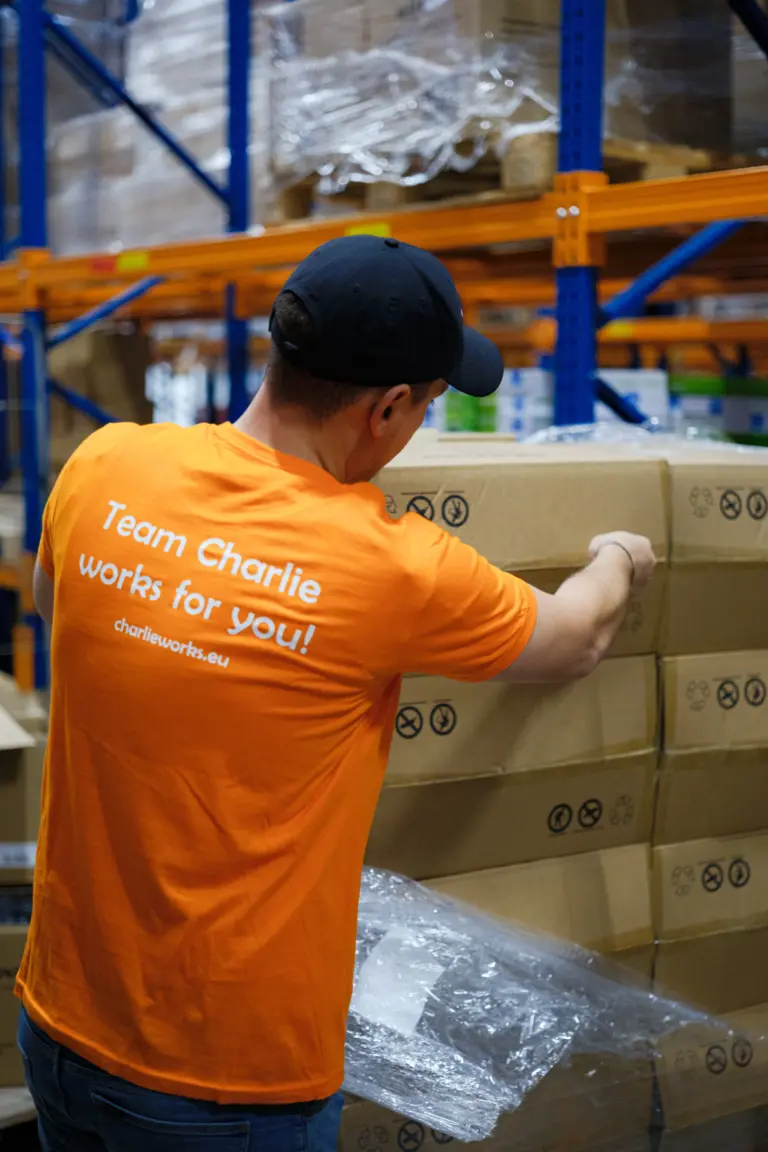
- Order picker in a warehouse
- Production worker in the food industry
- Packer or sorter
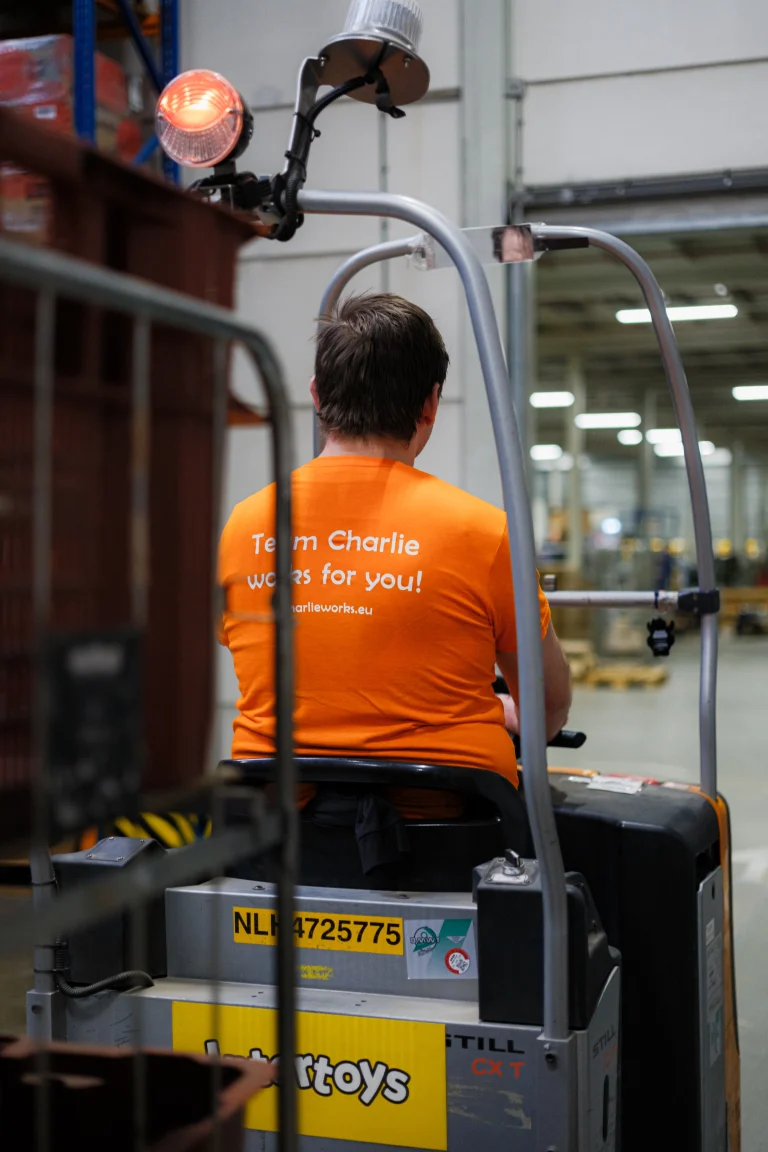
- Forklift driver (with certificate)
Do you want to know what such a workday looks like? Then view our explanation about working in a distribution center in the Netherlands, including tasks, salary, and growth opportunities.
Housing for flexible workers
For migrant workers, housing is often just as important as the work itself. Charlie works offers its own homes that are SNF-certified. This means that the houses meet strict quality requirements in terms of safety, hygiene, and comfort. This way, you can be sure that you return to a neat home after a long workday.
Getting started as a flexible worker
Are you considering working as a flex worker in the Netherlands? Then make sure you have a few things in order: a valid identity document, a BSN number (which you apply for upon arrival), and a Dutch bank account. A recruitment agency often helps you with these steps.
Choose a reliable partner who is honest about wages, contract, and housing. Always ask about the phase of your agency contract and which rights belong to it. This way, you know exactly where you stand.
Are you ready to start? Then view the possibilities to work in the Netherlands with housing through Charlie works and discover which job suits you.